What to check before booking a desert safari in Dubai
A desert outing can look straightforward on a booking page: a vehicle, a few activities, a sunset, and a return to the city. The details matter more than they first appear. Desert conditions, timing, comfort, and group arrangements all shape the day, so it pays to read beyond the headline before committing.
The aim is not to overthink the trip. It is to match the experience with what you actually want, whether that is a calm evening in the dunes, a family-friendly outing, or a more active afternoon. A few careful checks can prevent awkward surprises later, especially when plans depend on hotel pickup, weather, meal preferences, or mobility needs.
The timing and the shape of the trip
Start with the hours. Many desert trips in Dubai are built around late afternoon and evening, because the light is softer and temperatures are easier to manage once the sun drops. Morning trips have a different feel, with cooler air and a quieter landscape. Neither is automatically better. The right choice depends on your schedule, energy levels, and whether you want dinner, entertainment, or a short outing that leaves the evening free.
Check what the timeline includes, not just the start and finish. Travel from the city takes time, and the route can vary with traffic and the chosen desert area. Ask what happens during the drive, how long stops last, and whether the return is direct. A long evening may sound appealing until there is an early flight the next morning.
Also look at the sequence of activities. Some visitors prefer a gentle arrival, photos, and dinner. Others want dune driving, quad bikes, sandboarding, camel rides, or a show. These pieces do not always fit comfortably into the same trip. A packed itinerary can feel rushed, while a sparse one may leave some people wanting more. Decide which parts are essential before comparing options.
Transport, pickup, and meeting details
Transport is one of the most practical points to confirm. Check whether pickup is included, where the driver can meet you, and how the meeting point is identified. Hotel pickup is convenient, but it may involve waiting while other people are collected. A direct meeting point can be simpler if you are staying outside the usual pickup zone or want tighter control over the day.
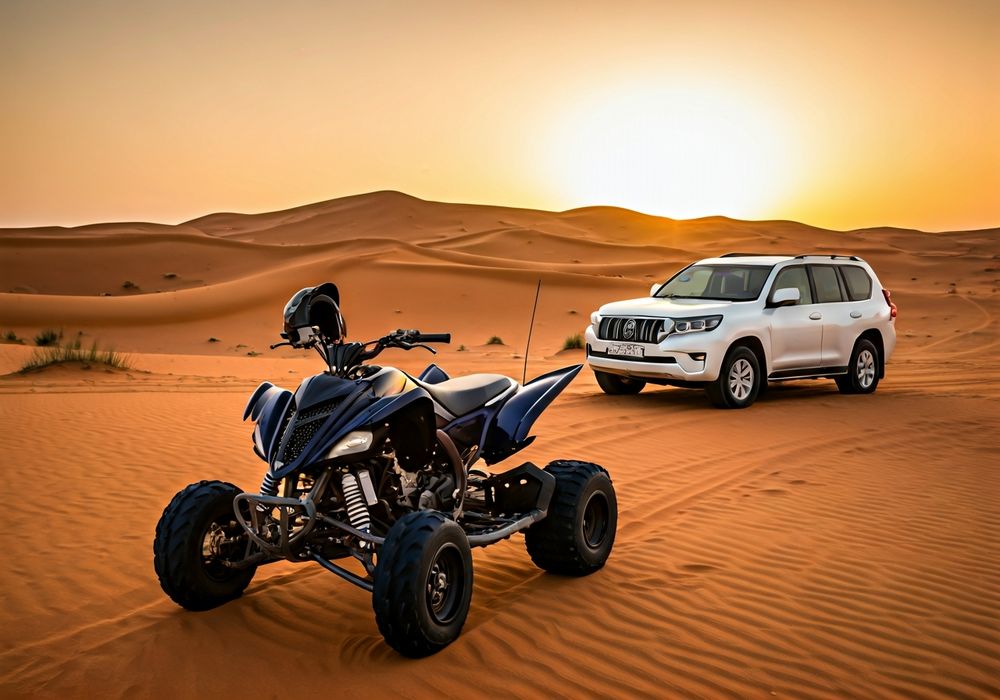
Vehicle type matters too. Shared vehicles are common for this kind of excursion, and the atmosphere depends on the other guests. Private transport gives more control over pace and stops, but it changes the cost and the feel of the trip. Families with young children, older travelers, or anyone prone to motion sickness may prefer a calmer arrangement.
Ask about seat belts, child seats, and luggage space if those details affect you. If you plan to bring a camera bag, coat, or medicine, you want to know where it will go during the ride. Clear meeting details are also useful if mobile signal is uneven once you leave the city.
Comfort, clothing, and what the desert feels like
Desert conditions change quickly. A warm afternoon can turn into a cool evening, and sand gets into shoes, bags, and cameras more easily than many visitors expect. Loose, breathable clothing works well in the heat, with a light layer for later. Closed shoes are usually more practical than sandals if you will walk on sand or near activity areas.
Sun protection deserves attention even when the trip starts late. Sunglasses, a hat, and sunscreen can make the first part of the outing more comfortable. Bring water if the arrangement does not make it clear that drinks will be available throughout. This is not the moment to rely on thirst as a reminder.
Think about the camel segment specifically. A camel ride is often short and slow compared with dune driving, but it still involves mounting and dismounting, uneven ground, and an animal that moves differently from a horse. Tell the operator about back problems, pregnancy, balance concerns, or nervousness around animals before the day. Anyone uncertain should be able to watch instead of feeling pushed into joining.
Activities and the level of intensity
Make a clear distinction between activities included in the base trip and extras arranged separately. This is where expectations often drift. A listing may mention several experiences, but some may be optional, subject to conditions, or limited by time. Check what is actually covered before you plan around it.
Dune driving is the most physical part for many people. The motion can be uncomfortable, especially for those who get carsick. It is reasonable to ask for a gentler route or to skip that portion. Camel Desert Safari Dubai should suit visitors who want a mix of desert scenery and traditional-style experiences, but the pace still needs to fit the group.
Quad biking and sandboarding bring their own checks. Confirm whether helmets are provided, how instructions are given, and what happens if conditions are unsuitable. For quad bikes, the riding area, age rules, and experience level all matter. For sandboarding, the surface and supervision make a difference between fun and an awkward fall. If a child is involved, ask about size requirements and whether an adult can join.
Food, drink, and dietary needs
Dinner is a major part of many evening desert trips. Check the style of meal rather than assuming it will match your preferences. Buffet meals suit groups with mixed tastes, while a seated meal can feel more relaxed. Vegetarian, vegan, gluten-free, and allergy-related needs should be raised in advance, with enough detail to be useful.
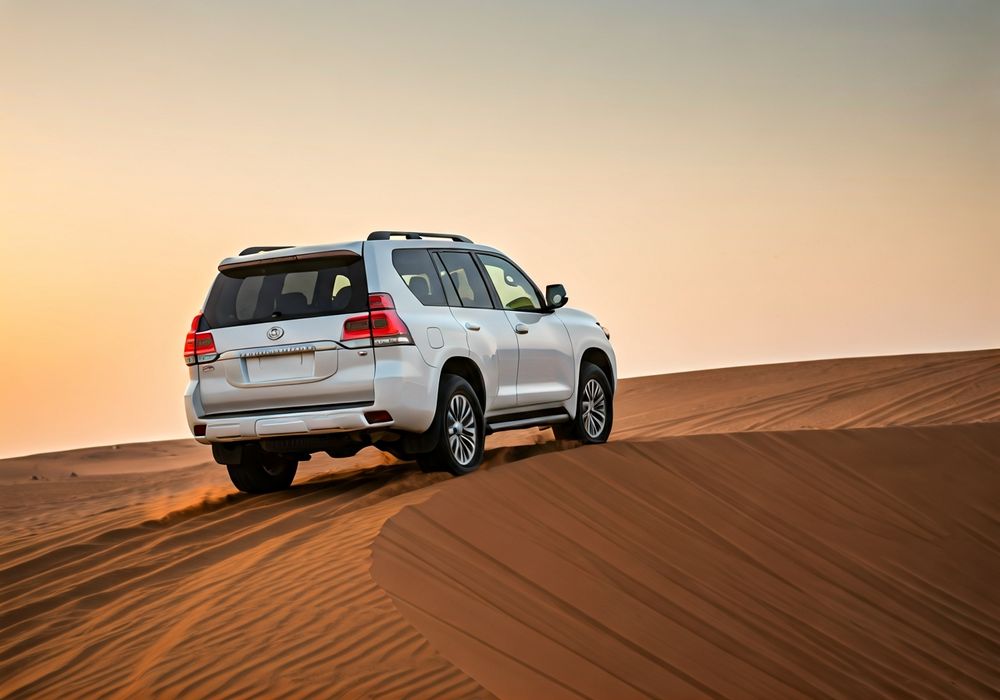
It is also worth asking whether food is served before or after the entertainment and activities. A late meal can be tiring for children, and an early one may leave little time for the evening program. Drinks may be included or limited, so check what is available, especially if you do not drink alcohol or prefer soft drinks.
Hygiene and seating are practical points that are easy to overlook. Look for clear information about handwashing facilities, serving areas, and shaded or covered seating. In the desert, comfort depends on small details that are easy to take for granted in a restaurant.
Entertainment, culture, and noise
Live shows, music, and dance can add energy to the evening, but they are not what every visitor wants. Some people book expecting a quiet desert setting and arrive to find a busy camp atmosphere. Others enjoy the noise and spectacle. Read the description carefully and decide which mood you are paying for.
If cultural performances are included, look for respectful presentation rather than vague promises. Ask what performances are planned and how long they last. Belly dancing, tanoura-style performances, and fire shows are common features in the region, but they are not guaranteed at every outing. Weather and site rules can affect what takes place.
Noise levels matter for families, couples, and anyone seeking rest. A central seat near the stage is lively, while a spot farther away may be better for conversation. If the trip includes a camp setting, ask whether there is a quieter area before arriving.
Safety, supervision, and clear boundaries
Safety checks should be calm and specific. Confirm that activities are supervised, that instructions are given in a language the group understands, and that participants know when to stop. Adventure does not mean ignoring limits. A good plan leaves room for people to opt out without causing disruption.
Check what happens in poor weather or if the route is affected by conditions. Sand, wind, and heat can change the practicality of certain activities. A responsible arrangement will have a clear approach to delays, changes, or cancellations. If the answer is vague, treat that as a point to clarify before booking.
Personal belongings also need thought. Carry essentials in a small bag that can stay with you, and keep valuables secure during activity periods. Phones and cameras can collect sand quickly, so a sealed pouch or simple cover can be useful. Do not bring items you would be upset to drop or scratch.
Price, inclusions, and fine print
Value is more than the headline figure. Compare what is included: pickup, activities, meals, drinks, entrance-style fees where relevant, and any optional extras. A lower base price can become less appealing once several add-ons are needed. On the other hand, a higher price does not automatically mean a better fit if the schedule is wrong for you.
Read cancellation and change terms before paying. Travel plans in Dubai can shift around flights, work commitments, and heat. Knowing the rules in advance avoids frustration later. Check how changes are handled if a guest is unwell or if plans need to be moved.
Group size and private arrangements also affect value. A private setup may cost more, but it can make the day smoother for a family or a group with different comfort levels. Shared trips can be lively and efficient, yet they require patience with other people's timing. Neither choice is wrong, but the decision should be deliberate.
Final checks before you confirm
Before you commit, make sure the basics line up: date, pickup point, activity list, meal arrangements, dietary notes, clothing, and the level of physical involvement. Camel Desert Safari Dubai is a phrase many visitors use when looking for this kind of outing, but the useful question is simpler. Does the trip match the day you have in mind?
Once those points are clear, booking becomes less of a gamble. You can step into the desert knowing what is planned, what is optional, and where the boundaries are. That leaves more room to enjoy the part that brought you there in the first place: the open landscape, the changing light, and the unusual rhythm of traveling by camel across sand.
Corrections
Spot something wrong? Send it to the desk and it gets fixed in the open.